Fast turnaround, one-day epoxy systems are gaining traction across builds and refurb projects, due to their promise of speed and convenience. But, while the speed is tempting, the reality is that these systems often compromise key performance factors, resulting in issues that compromise the quality.
The Risk of Rapid Curing with Epoxy Systems
One major catch with one-day epoxy systems is the fast curing of the base coat. When the base coat sets too quickly, it doesn’t properly penetrate the concrete substrate. This weakens adhesion between the floor and the coating, which can result in peeling, lifting, or other forms of degradation.
Without proper penetration, your floor may look fine initially, but if the coating hasn’t anchored itself to the concrete beneath, the weak bond can cause a range of issues:

Peeling or delamination
The coating can start to lift away from the substrate, particularly in high-traffic or high-heat areas.
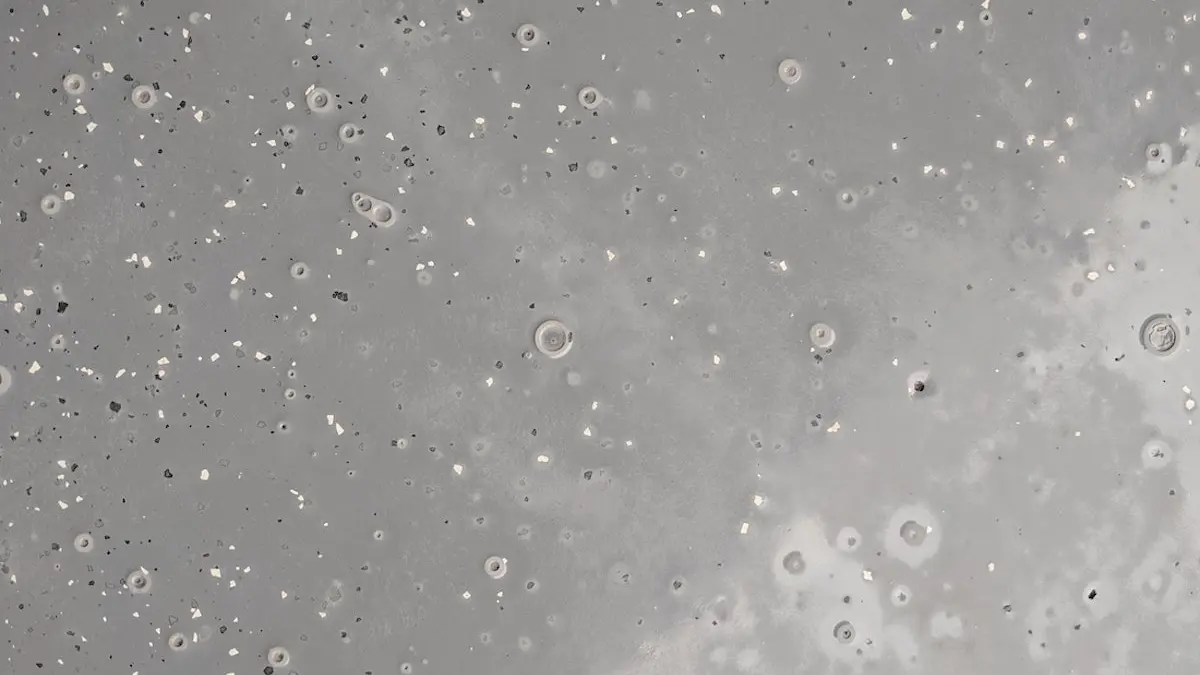
Blistering or bubbling
Trapped air and moisture can rise through the surface, creating visible bubbles and weak points.
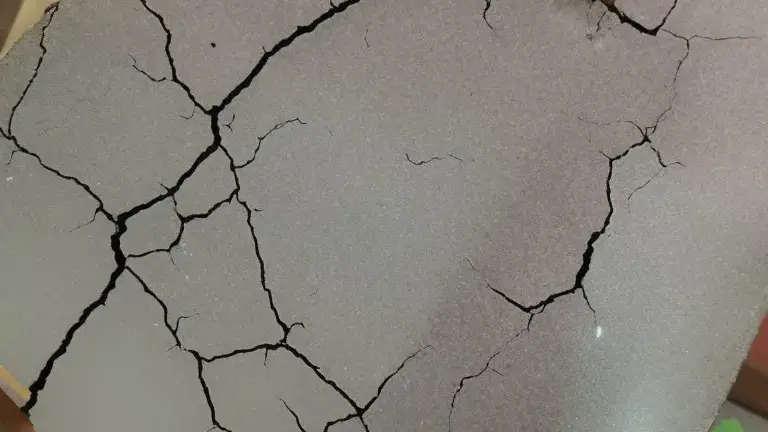
Cracking or flaking
If the coating isn’t bonded securely, it can crack or flake under stress or temperature changes.
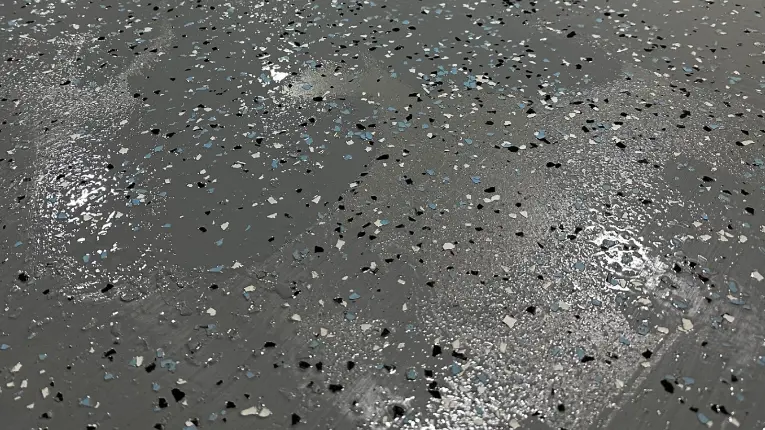
Uneven wear and discolouration
Poor adhesion allows contaminants and moisture to seep underneath, leading to patchy, uneven finishes and early colour fade.
Basically, when the base coat cures too quickly and doesn’t penetrate deeply into the concrete, it creates a surface-level seal rather than a structural bond. Over time, that lack of integration between the concrete and the coating can shorten the lifespan of the floor and increase the need for costly repairs or re-coating.
Hot Tyre Pick-Up: A Common Issue
Another recurring problem is hot tyre pick-up. This occurs when tyres roll over poorly adhered coatings while hot. As the tires cool, the contraction creates a vacuum effect, pulling the coating away from the concrete. One-day systems, especially those with minimal penetration and weak bonding, are particularly susceptible to this.
Why Multi-Coat Systems Work Better than One-Day Epoxy Systems
At APC, premium multi-coat systems are engineered to avoid these failure mechanisms. Our five-coat approach includes:
- Prime Coat - Ensures reliable adhesion to the concrete.
- Base Coat - Allows proper penetration and bonding of the system to the substrate.
- Decorative Layer - Adds texture, visual appeal, and structural reinforcement.
- UV Top Coat 1 - Seals the system for wear and traffic performance.
- UV Top Coat 2 - Provides long-term protection and ensures durability.
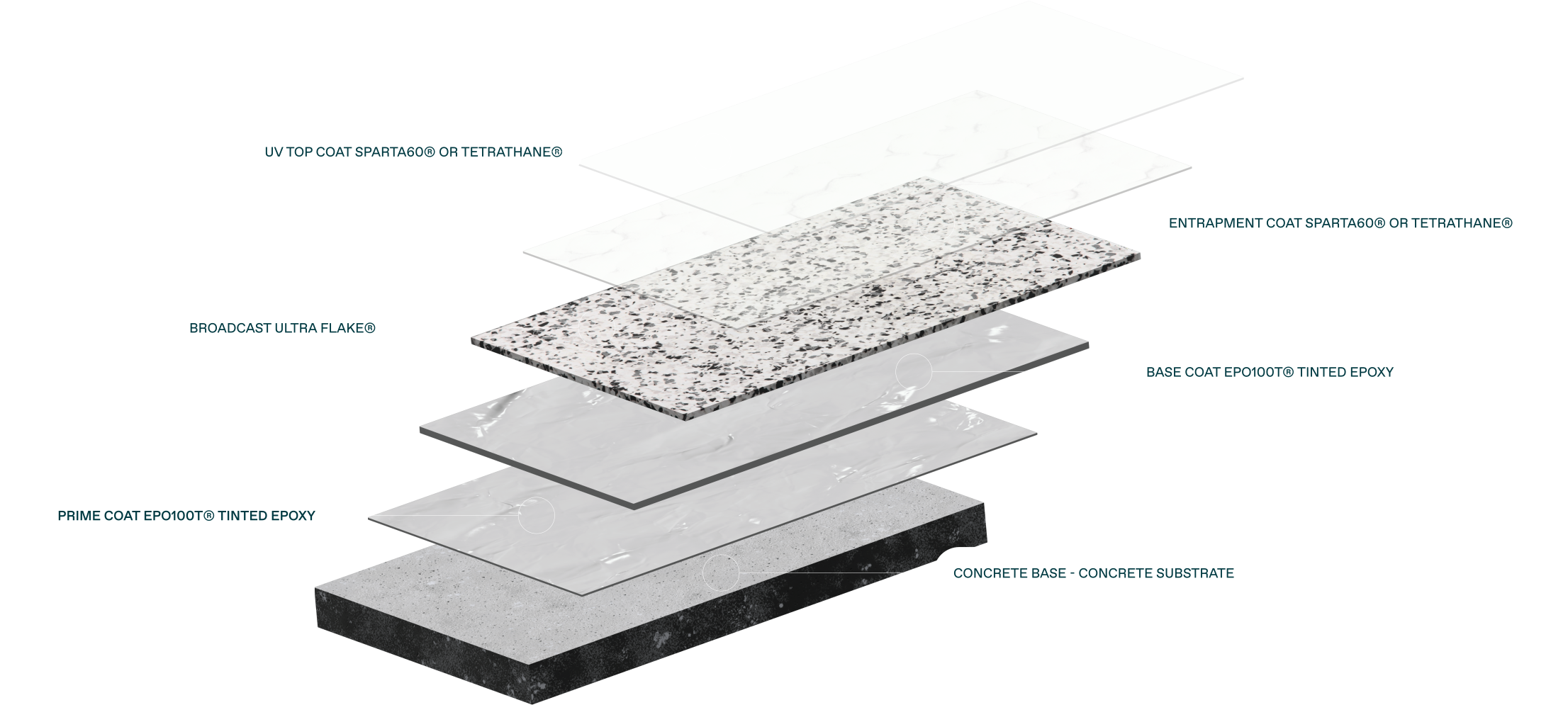
By allowing each layer to fully cure before applying the next, the system dramatically reduces adhesion risks and delivers a floor that performs as intended.
Learn more about our epoxy systems and processes in these helpful links: Introduction to Epoxy Flooring workshops, Installation Instructions, and our resource discussing How to Read Concrete to Prevent Bubbles.
Why Taking Time Pays Off
While one day systems may seem quicker and cheaper, the long-term risks often outweigh the initial savings. Multi-coat systems take more time and investment upfront, but they provide the assurance of a properly bonded, long-lasting floor. Cutting corners with a fast system can double the likelihood of problems, costing time and money down the track.
Choosing the Right Solution for Your Project
When selecting an epoxy floor system for your project, it’s important to think beyond application speed. A fast turnaround might please a client in the short term, but if the system fails, it can cost both your reputation and repeat business.
When committing to a product or process, check the fundamentals:
- Prime & Base Coat Penetration: Has the base coat properly absorbed into the substrate to create a strong mechanical bond?
- Cure Time and Conditions: What’s the recommended cure time between coats and before return to service? Rushing this stage can compromise adhesion and surface integrity.
- Top Coat Protection: Does the system include a UV-stable top coat to resist yellowing and surface degradation?
- System Integrity: Are you applying a complete, tested system, or mixing and matching products that haven’t been designed to work together?
APC systems are formulated and tested to work as a complete solution, from prime coat to top coat. Every layer is designed for compatibility, performance, and reliability under Australian conditions.
Confidence with APC Epoxy Systems
When you choose an APC system, you’re choosing a proven process that prioritises adhesion, appearance, and longevity - not shortcuts.
Fast systems might seem appealing upfront, but the real value lies in a floor that performs year after year. That’s where APC multi-coat systems deliver a consistent finish, dependable performance, and the confidence of working with a trusted Australian manufacturer.
Your floor deserves more than speed; it deserves quality that lasts. That’s the APC standard.
Ready to learn more? Explore our full Epoxy Broadcast Systems, industrial solutions, or watch our video: “When & Why We Sand Between Coats”.
Why One-Day Epoxy Systems Can Cause Long Term Problems